Policy brief · Public Policy
Technological change, inequality and the collapse of the liberal order
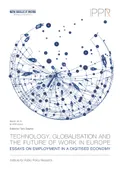
How has technological change driven wage stagnation, inequality and political upheaval, and what new social contract could respond?

Research on how public institutions can deliver more value: from export credit and development finance to trade policy, climate finance and public management. Explore our journal articles, books, policy briefs and practitioner opinions by pillar and programme, each with its full author list and a link to the source.
88 publications · sorted by date · page 6 of 6
How has technological change driven wage stagnation, inequality and political upheaval, and what new social contract could respond?
Surveys state violence in India from late colonial rule to 'Global India', explaining continuities in governance and the paradox of a democracy that routinely uses force against citizens.
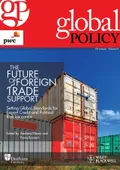
Why do export credit and political risk insurance need common global standards, and what should those standards look like?
If digital technology destroys more jobs than it creates, how should governments respond?
What drives demand for government export credit guarantees, and what does that mean for how export credit agencies are designed?
Why did Europe’s social democrats fail to gain from the 2008 crash, and how can they recover?
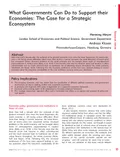
After the financial crisis, how can governments support their economies by coordinating public instruments for trade, innovation and finance as one strategic system?
Edited volume analysing climate policy in twelve developing countries across Asia, the Americas and Africa, and the actors, interests and institutions behind their new emissions pledges.
What would social and democratic politics for a good society look like in the 21st century?
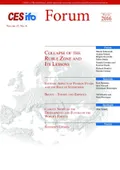
Has the EU’s reliance on economic integration crowded out the solidarity and citizens’ involvement it now needs to get through the eurozone crisis?
How can European social democracy recover its values and build a political economy for the good society?
Could the EU’s open method of coordination help the G20 become a more effective and legitimate permanent body of global governance?
Why does the transatlantic economic relationship need a social dimension, and what institutions could deliver it?